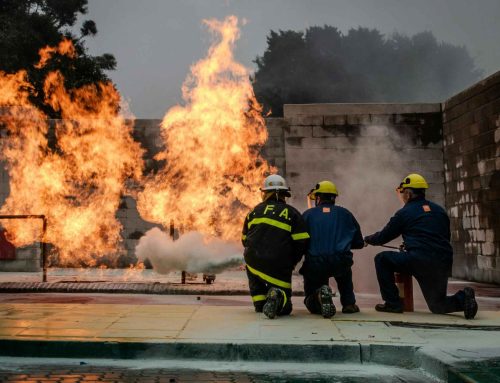
Preparing emergency personnel for high-stress scenarios requires moving beyond textbook theory and classroom lectures. A commercial real estate agent focuses on property values and building codes. In contrast, safety officers and fire chiefs must focus on how physical structures behave when consumed by flames. Equipping emergency responders, industrial safety teams, and workplace safety officers with hands-on experience requires a modern Fire Training System. These engineered setups replicate real-world fire behavior under strictly controlled conditions.
A live fire training system provides a safe, repeatable environment for personnel. Inside these units, trainees experience intense heat, dense thermal layering, zero-visibility smoke, and real flame propagation. These specialized structures effectively bridge the gap between theoretical knowledge and split-second physical response. As a result, trainees build critical muscle memory and tactical confidence. Understanding how live fire training systems operate helps fire departments and corporate safety managers choose the right equipment to keep their teams fully prepared.
The Quick Edit
- Realistic Environmental Simulation: Live fire training systems recreate authentic heat, smoke, and flame behaviour to prepare first responders for real-world emergencies.
- Controlled Safety Controls: Modern gas-fueled and structural burn environments feature automated emergency stop systems, thermal sensors, and rapid gas shut-off valves.
- Tactical Muscle Memory: Repeated hands-on drills build team communication, hose handling proficiency, search-and-rescue techniques, and situational awareness under pressure.
Understanding the Core Components of a Live Training System
At its simplest, a live fire training system is a specially engineered structure or mobile unit designed to contain controlled fires for instructional purposes. Unlike abandoned buildings used for one-time burn drills, purpose-built live fire systems are engineered for repeated, multi-year use.
These systems range from compact mobile trailers to multi-story steel or concrete burn buildings that simulate residential homes, commercial warehouses, or industrial facilities.
Inside these structures, specialized burn chambers recreate specific emergency scenarios:
- Flashover Trainers: Specially ventilated chambers that demonstrate how superheated ceiling gases ignite simultaneously, teaching trainees to recognize early warning signs before a deadly flashover occurs.
- Search and Rescue Mazes: Reconfigurable interior walls equipped with artificial smoke generators that force trainees to navigate tight spaces and locate victims in total darkness.
- Industrial Fuel Props: Specialized steel simulators that mimic flange fires, pressure relief valve leaks, electrical panel fires, and storage tank blazes.
Constructing training environments out of temperature-resistant steel panels and thermal linings ensures the structure withstands thousands of exposure cycles without risking structural collapse.
Gas-Fueled vs. Class A Fuel Systems: Key Differences
When selecting a live fire training system, safety officers choose between two primary fuel sources: propane-fueled (gas) systems and traditional Class A (wood and straw) systems. Each approach offers distinct operational advantages depending on training goals.
Gas-Fueled Computerized Systems
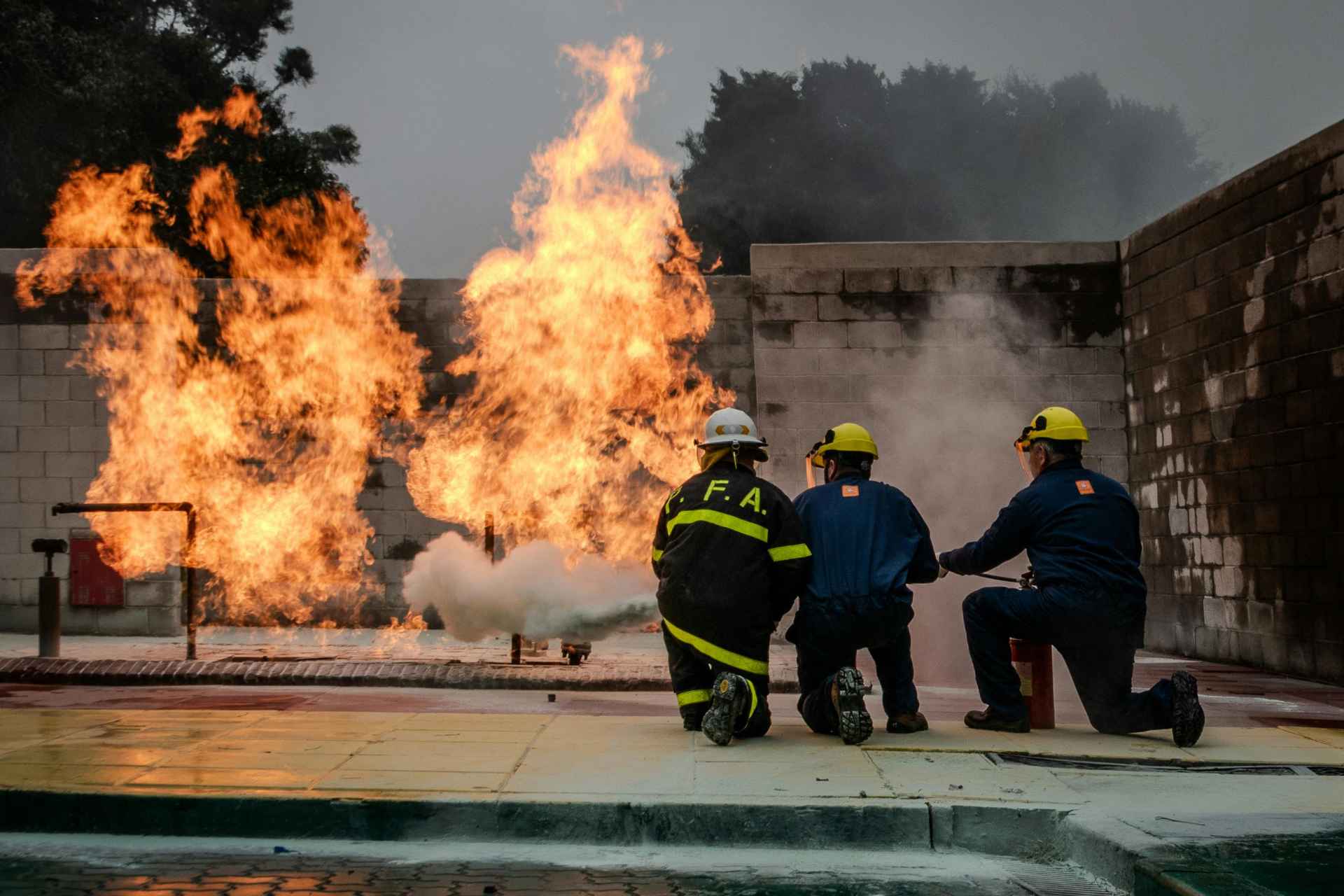
Propane-fueled training systems utilize clean-burning gas burners linked to automated control consoles. Instructors monitor training sessions from an external control room or via wireless handheld tablets, adjusting flame height, heat output, and smoke density in real time.
A primary advantage of gas-fueled systems is that smart propane burners control flame heat and safety during a simulation, allowing instructors to instantly extinguish the fire with the push of a button if a trainee gets into trouble.
Gas systems produce consistent, repeatable fire behaviour without generating toxic smoke, making them ideal for frequent corporate safety training, university fire academies, and industrial facilities.
Class A Structural Burn Buildings
Class A systems use real wood pallets, straw, and engineered timber products to create fires. These traditional setups produce realistic carbonaceous smoke, genuine thermal layering, and authentic ember conditions.
While Class A fires require longer setup times, manual ash cleanup, and careful fuel loading, they offer firefighters an unmatched sensory experience regarding how real structural fires burn and react to water application.
Why Live Fire Training Is Critical for First Responders
Reading about fire behavior in a manual cannot prepare a trainee for entering a burning room. The visceral impact is simply too intense. Live training systems provide crucial psychological conditioning. This exposure prepares emergency personnel for actual disaster sites.
Building Stress Inoculation and Muscle Memory
During a real emergency, adrenaline surges rapidly. Vision narrows, and fine motor skills degrade. Repeated exposure to real heat and flames through structured training drills helps inoculate personnel against panic.
Trainees learn to trust their personal protective equipment (PPE). They maintain clear voice communication through breathing apparatus masks. Over time, they execute hose line maneuvers automatically.
Master Thermal Awareness and Venting
Fire travels along paths of least resistance. It moves rapidly across ceilings and through open doorways. Live training environments allow students to observe thermal layering firsthand. This is the stacking of hot gases near the ceiling and cooler air near the floor.
Students practice tactical ventilation techniques under direct supervision. They learn how opening a roof hatch or doorway alters air currents. As a result, they see exactly how ventilation changes fire behavior inside a room.
Essential Safety Protocols and System Guidelines
Safety is the absolute priority during any live fire exercise. Modern training facilities adhere strictly to industry standards, such as NFPA 1403 (Standard on Live Fire Training Evolutions), to eliminate preventable injuries.
Before any torch is lit, instructors walk through a strict live fire training safety checklist to verify structural readiness, safety line pressures, personal gear fits, and emergency exit routes.
Key safety features integrated into modern live fire structures include:
- Automated Gas Line Shut-offs: Gas-fueled props feature solenoid valves that instantly cut fuel flow if ventilation fans fail or ambient room temperatures exceed preset safety limits.
- Forced Evacuation Ventilation: Industrial exhaust fans can clear an entire burn room of smoke and hot air within seconds during an emergency.
- Emergency Stop Buttons: E-stop buttons installed inside burn rooms and on instructor handheld units allow anyone on scene to kill the fire instantly.
- Thermal Monitoring Sensors: Temperature sensors mounted at ceiling and floor levels provide live thermal readings to control operators, preventing gear breakdown.
Specialized Applications: From Aviation to Industrial Safety
Live fire training systems serve diverse industries beyond municipal fire departments. They can be fully customized for specific operational needs.
Airports worldwide utilize specialized aircraft fire simulators to practice aviation rescue techniques. When planning an ARFF training site (Aircraft Rescue and Fire Fighting), facility managers install large-scale mockups of commercial jets. These setups include wing engine fires, interior cabin blazes, and spilled fuel pit fires.
Industrial chemical plants and petroleum refineries rely on specialized prop systems to train on-site emergency response teams. These props simulate high-pressure gas leaks, pipe rack fires, and chemical tank overflows. They teach industrial workers how to approach and close isolation valves behind protective water curtains.
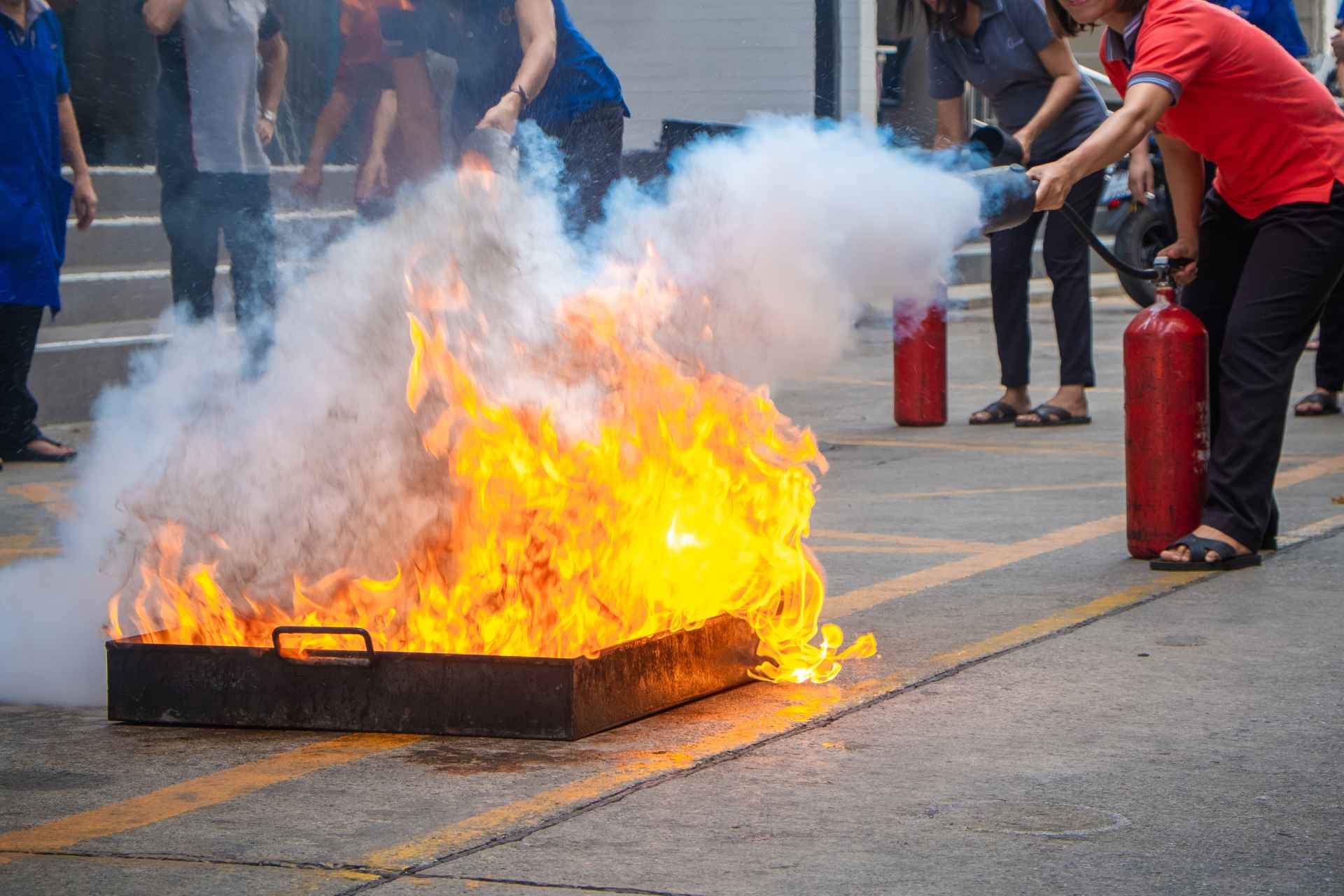
Even commercial offices and manufacturing facilities use compact, portable fire extinguisher training props. These user-friendly systems let employees practice pulling pins, aiming nozzles, and extinguishing controlled gas fires safely in parking lots or courtyard spaces.
Preparing Emergency Personnel for the Future
A live fire training system is an indispensable investment. It benefits any organization committed to life safety and emergency preparedness. These systems combine realistic thermal environments with state-of-the-art safety controls. In doing so, they bridge the gap between classroom instruction and real-world emergency response.
These simulators build critical skills, confidence, and muscle memory needed to save lives. They help when training new recruits at a municipal fire academy. They are equally effective for preparing airport crash crews. Furthermore, they empower workplace safety teams to use fire extinguishers effectively.
Investing in modern, repeatable training infrastructure yields long-term benefits. It ensures that when real emergencies strike, your team is ready to respond calmly, safely, and decisively.